Thursday, February 17, 2011

The Best Circular Polarizers for Landscape Photography

Circular Polarizers (CPL)
CPL's can work wonders for your photos by increasing the contrast, deepening the blue in the sky, bringing more vibrancy, and acting like a Neutral Density filter by letting less light in. But not all CPLs work as effectively. Some don't add as much contrast or deepen your sky as much. Some come out with different colors of what you are actually viewing in person. You can find very cheap CPLs at Best Buy or Ritz but those are cheap, break easy, don't have much impact to your photos and are just a waste of money. My advice is to buy a nice CPL that has durability and will last you quite some time. 


Top filters mentioned in article:
Tiffen 77mm Circular PolarizerB+W 77mm Circular Polarizer FilterB + W 77mm Kaesemann Circular Polarizer Coated Glass FilterHoya 77mm DMC PRO1 Digital Circular Polarizer Glass Filter


Polarizers are key to giving you that contrast and colors you want in a picture! 


I will display for you some of the best CPLs there are that can give you a nice blue sky like the photo on the left, with great contrasting colors. 


Tiffen
Tiffen 77mm Circular Polarizer
Tiffen offers a great Circular Polarizer for a very nice price. The build quality is fair and if taken care of it will last quite some time. This CPL will offer nice contrast to make your photo look great. This CPL is threaded on the front allowing for more filters such as a Neutral Density filter to be placed on the front. If you are just beginning to get into photography, this a great one to have in your bag without breaking the bank!


Hoya
Hoya 77mm DMC PRO1 Digital Circular Polarizer Glass FilterWhile many people aren't fans of having a Hoya Filter, I certainly am! I have owned many Hoya filters from CPLs to ND filters to Infrared Filters, and all if which have been pleasant to me and my photos. This CPL here made by Hoya is a nice build and is quite resistant to scratches (very important). I have used this filter on my 11-18mm and there is no vignetting at all. It gives you nice contrast and blocks out a great portion of light to give you longer exposures. 


This filter is more pricey but will make your pictures pop! It gives excellent contrast while deepening the blues in your sky! It is very well built and will last you awhile. The glass is strong and precise giving it durability. It is multi-coated so it will give you accurate colors. A great buy! 


B+W
B+W 77mm Circular Polarizer Filter
A German made company that offers excellent glass all around. 

This CPL can be compared to the Hoya HD multi-coat above.
I believe this filter and the Hoya are the best bargain filters without breaking the bank. They off great contrast and reflection reduction!
B + W 77mm Kaesemann Circular Polarizer Coated Glass Filter
One of the best CPLs I have ever used! It provides amazing contrast and gives you amazing deep blues in your sky! The construction is very well built giving it durability and sturdiness! The glass is very clean and flawless all around, giving you accurate colors every time! Even though it is more expensive, it is worth every penny! 


Heliopan
Heliopan 707741 77mm Circular PolarizerHeliopan is known for their amazing clear glass and the amount of contrast their filters add.. why? Because they do! This filter is extremely easy to clean! The construction on it is flawless and it cuts reflections better than anything! I highly recommend this filter! 

The Best Tripods and Heads


Best compatible:
Manfrotto 190XPROB 3 Section Aluminum Pro TripodGiottos MH5001 3-Way Pan Head with Quick Release

What is the best tripod for a Dslr???
Many people will say the most expensive one of course! But that isn't always the answer. Carbon Fiber tripods can cost anywhere from $400 to over a a thousand. They are light, durable, and easy to carry around. This can be very good if you are hiking often or walking around long periods of time because these tripods can start to feel heavy after awhile. But what I don't like about carbon fiber is its resistance to water. Though Carbon Fiber is high quality, it doesn't stand up too well if you are a beach/sand/salt water shooter like myself. Sand and salt water can eat your stuff alive, and it has happened to many of my cheap tripods that I first started shooting with, that is why I changed to a more durable heavy duty tripod by Manfrotto. I will display some of the tripods that I think are best to use for the mountains, hiking, water, beach, sand, street, and snow. 
Manfrotto 055XPROB Pro Tripod Legs (Black)

This is the Manfrotto 055XPROB tripod. This is the tripod that I use whenever I shoot. It is very sturdy and easy to take apart for cleaning. It is light compared to others that I have used and it is very functional. 


Manfrotto 190XPROB 3 Section Aluminum Pro Tripod
This is the Manfrotto 190XPROB tripod. My best friend has this tripod and he loves it. I have used it as well and can say nothing but great things as well. This tripod is very inexpensive and it is made out of Aluminum so it is very light and accessible. This tripod can be easily taken apart for cleaning as well. You can adjust the tripod for extremely low shots or raise it high. The sturdiness feels nice and I would highly recommend this tripod for all terrain. 
Manfrotto 190XDB 3 Section Aluminum Tripod


Another great tripod here that is inexpensive and light to carry around. This tripod is a little lighter than the ones pictured above so it isn't as study if a wave were to hit it while taking a photo, but it will hold its own. This tripod is good for carrying around in the mountains during hiking or walking around for longer periods of time. 


Manfrotto 055CXPRO3 Carbon Fiber 3 Section Tripod with Q90 Column and Magnesium Castings (Black)

This is a Carbon Fiber tripod that is the lightest of them all. It is however, the most expensive as well. Even though it is very light, it doesn't lose its sturdiness when planted on the ground. The wide legs give it great support and flexibility. For those that do not shoot often where there is sand or water present, this is a great tripod to have! 

Now that you have your tripod, you need a head for it to mount your camera.
There are all kinds of tripod heads that people enjoy using. I personally like mine the most and I only got it for $50. Others enjoy fancy heads that allow for quick release and panning. 

Here are my favorites:
Manfrotto 322RC2 Joystick Head Short
I see people all the time with this tripod head. With this head you can quickly release and mount your camera back on instantly. This head allows for 360 Degree movement in any direction. It has a set of levels to ensure that your photos are even and the horizon is perfect, which is one of the most important things that makes a great photo. With the squeeze of the handle you can move the head in any direction! 
Manfrotto 496RC2 Ball Head with Quick Release Replaces Manfrotto 486RC2


This is the Manfrotto 496RC2 Ball head. I can't tell you how many people love having a ball head for their tripod/camera. Me personally, am not a fan. Why am I showing you this? Because many people enjoy it, after all we all have our own preferences. This is inexpensive and allows for quick panning and movement. It has a quick release to allow easy on/off accessibility. 

Giottos MH5001 3-Way Pan Head with Quick Release
This is the Giottos MH5001 tripod head that I use. Every movement is fluid. It holds my camera along with my flash and a 70-200mm 2.8 attached to it with no problem at all. With the dual handles it is easy to loosen and tighten for the position you want. It offers a quick release and it has 2 levels on it for making the horizon perfect! I highly recommend this tripod head! 

Wednesday, February 16, 2011

Learn Landscape Photography

Landscape Photography is one of the most popular forms of photography today. You can just walk around with your camera practically anywhere and shoot a good photo... But there are certain guidelines that are easy to follow to make a good Landscape Photo.


Equipment mentioned in this article:
Tiffen 77mm Circular PolarizerHoya HMC NDx8 - Filter - neutral density 8x - 77 mmCokin P154 Filter, P, Grey Neutral Density 8XManfrotto 055XPROB Pro Tripod Legs (Black)

What makes your photos better than everyone else's? 
What I believe along with very experienced landscape photographers is finding a scenery that stands out. When you are setting up for a photo, what stands out about this photo that NOBODY else thought to take or NOBODY else could take because YOU and only you have that eye for that particular photo. That is why professional photographers have galleries.. it's not because they took 1 lucky photo and it just happened to catch everyones attention, but it's because they go out of their way to find all those perfect photos. They climb mountains, they crawl in the snow, they drive for hours and hours out of the way, they wait for days and days at a time for just the right moment to capture what nobody else can. That's what makes a great Landscape Photographer.


But not everyone starts out like that. We all have to start somewhere. If it's just shooting a sunset from your backyard, or shooting a cityscape at night, we all have to start somewhere.


An example:
I took this photo my first month I began photography. I had no idea what I was doing and I had a point n shoot camera. Hell, I even took this photo on Auto. At first you may think, well I see nothing wrong with it.. Sure there is nothing wrong with it, but it's boring. There's no sunset, no clouds, no mist, no nothing! It's just boring.
But an image like this really shines! It stands out amongst the rest.There is fog, a sunset, a starburst from the sun, a nice tight crop of the bridge.


Well what makes a good Landscape Photo?
There isn't just one thing that makes a good landscape photo, but several.


Here are some things that help make a great photo:
-Clouds. A good looking sky makes a photo stand out. Clouds that show impact. I don't mean clouds that look just like overcast and all look the same. They need to be big white puffy clouds, dark evil twisted clouds, thick strong clouds.. Clouds can make or a break a photo. You can have a gorgeous landscape but with an overcast sky and that will ruin your photo.


-Contrast. Having contrast will make your photo look sharp and defined. When there is good contrast you can have rich strong colors that will stand out and make your photo shine. To have good contrast, make sure not to Overexpose your photos. Even underexposing your photos by a half stop to a stop will add nice contrast to them. Also having a good Circular Polarizer and/or Neutral Density filter will give you nice color contrast.
Tiffen 77mm Circular Polarizer
-Sharpness. Having a sharp photo will overall give your photo a nice touch. In Landscape Photography, it is key to having everything sharp. When you take a photo that you are proud of and want to have it enlarged and find out that many things are blurry from camera shake, you're going to be upset and disappointed! You can avoid all of that by shooting at high F-stop # and/or using a tripod. 
Manfrotto 055XPROB Pro Tripod Legs (Black)
-Depth of Field. DoF can make your photo really stand out give your viewers perspective on what is actually there.
-----------------------------------------------------------------------------------------------------------------------------------


Well then what does a bad photo look like??

This is a photo that I took when I first started getting into photography. I didn't know anything about balancing the exposure for the sky and the foreground. I was very happy with the results of this photo when I first took it because I thought it was a good sunset and the water looked like it was moving.

I circled 3 obvious thing that are wrong with this photo. First the sky is overexposed due to the long exposure I used to achieve the moving water effect. Then there is the horizon. The horizon isn't straight and even if it is slightly off in photos when you first take them or post them onto your website, when you print them up and frame them the whole thing is just ruined! Always get the horizon straight! Next is the big black wave that looks like a wall. If I would of done a longer exposure to make that appear to be in motion it would have came out much different.

Solution for the photo:
Having the ND Grad filter would of evened out my exposure allowing me to have a great looking sunset. The clouds wouldn't be over exposed and I would have much more even tones throughout the picture.

Cokin P154 Filter, P, Grey Neutral Density 8X

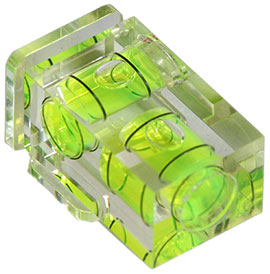
The photo could of also looked better if the horizon was straight. There are levels that you can put on your camera and now they even have levels on tripods.
Tiffen 77mm Neutral Density 0.9 FilterB+W 65-073102 77mm Neutral Density 0.9-8x Filter #103Hoya 77mm Neutral Density ND-400 X, 9 Stop Multi-Coated Glass FilterB+W 77mm Circular Polarizer Filter


A Neutral Density filter would of blocked out more light allowing me to have a much longer exposure to have that wave that looks like a black wall look much better, like moving water.


Another poor photo
What's wrong with this photo? Better yet, how can we make it better for next time?
The clouds look good. They show a lot of impact and they catch your eye right off the bat and they're well exposed, but whats so wrong with this photo? I see this photo taken millions of times by people and then posted on facebook soon afterwards. Well other than the water being underexposed, nothing really stands out about this photo. Your photo needs to be one that not EVERYONE takes with their iphone or point and shoot camera.


For next time, there needs to be Depth of Field. This photo looks like just a nice sky and some water at the bottom of it. What makes a great Landscape photo is great Depth of Field.You need to make the photo have Depth to it that gives you perspective of how hard the waves are crashing, how fast the water is moving, how big the ocean is, how big the rocks are, etc... Get me? Things like rocks, driftwood, boulders, piers, trees, and people add perspective and DoF. 


Sooo... A good photo looks like???
What makes this a good photo??
Other than the nice colors (all natural colors with small saturation) there are many factors that makes this photo good. First you can see that the whole photo grabs your attention. You see the colors all around and the waves are in movement. The boulder, person in the background, house, and sand give the picture Dept of Field. In this photo I used a CPL, ND Grad, and a high Aperture # to allow me to give a 1/2 second exposure during the day. This photo also shows nice contrast throughout the photo as you can see the sharpness in the clouds, waves, and rocks.
In the photo above you can see a nice even exposure throughout it. ***A hint for capturing sunsets*** You do not always have to point your camera toward the sun. Try pointing it about 90 Degrees from the sun. Not only will it help you get a better exposure, but you'll get much better colors because the sun will reflect more in the clouds. As you can see in this photo the sun has already passed the pier I am on. This photo gives nice DoF with the "leading lines" (lines going toward you) from the railing, the pier, the shadows, and the light posts. Contrast is easily seen with all the different colors, shadows, and highlights from top to bottom.